
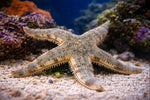
Reef-Safe Fish and Invertebrates: Compatibility Basics
, by Fishlist Team, 1 min reading time
, by Fishlist Team, 1 min reading time
Reef-safe means a fish or invertebrate is unlikely to eat or harm corals. Check each species rather than relying on the label alone.
Quick answer: A reef-safe fish is one that is unlikely to eat or damage corals. Clownfish, gobies, firefish and most small wrasses are generally reef-safe, while butterflyfish, larger angelfish and puffers are risky. 'Reef safe' is not a guarantee; individual fish and tank size matter.
| Label | Meaning |
|---|---|
| Reef safe | Will not usually harm corals or invertebrates |
| Reef safe with caution | May nip some corals or eat small invertebrates |
| Not reef safe | Eats coral or invertebrates |
See marine livestock and marine fish and coral food.
For starters, read Easiest Saltwater Fish for Beginners.
Yes, generally. They may host in corals.
No, they are generally safe.
Occasionally, especially if hungry or overcrowded.
Last updated: November 2026.


