
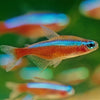
How to Prevent Common Diseases in Tetras
, by Roitero, 3 min reading time
, by Roitero, 3 min reading time
To prevent common diseases in tetras, maintain pristine water quality with a fully cycled filter and consistent weekly water changes. Feed them a varied, high-quality diet to boost their immune systems, and always quarantine new fish or plants before introducing them to your main aquarium.
Tetras are small, active schooling fish that are highly sensitive to poor water conditions and sudden temperature fluctuations. In our years of keeping and conditioning various schooling species, we've found that stress is the number one trigger for illness. When you source your tetras from Fishlist, you are guaranteed healthy, quarantined fish right out of the bag, but maintaining that health long-term requires a stable home environment.
Before you can prevent illnesses, you need to know what to look out for. The three most common issues are:
Ich (White Spot Disease): Looks like tiny grains of salt sprinkled on the fish's body and fins. It is a highly contagious parasite usually triggered by sudden temperature drops.
Neon Tetra Disease (NTD): A fatal, incurable microsporidian infection causing loss of color, cysts, erratic swimming, and curved spines. (Note: NTD can affect other species too, not just neons).
Fin Rot: A bacterial or fungal infection that causes ragged, deteriorating fins, almost always resulting from poor water quality or severe bullying.
Prevention is always cheaper and easier than medication. Follow these critical steps to keep your school healthy:
Maintain Stable Parameters: Keep the water temperature steady (typically 22°C - 26°C depending on the species) using a reliable heater and thermostat. Fluctuations cause immediate stress.
Prioritize Water Quality: Perform 20% to 30% water changes every week to keep nitrates low. Always use a high-quality water conditioner to remove chlorine and heavy metals before adding tap water.
Quarantine Everything: Set up a small, separate quarantine tank for new arrivals. Observe new fish for at least 2 weeks before adding them to your main community to ensure they aren't carrying NTD or Ich.
Avoid Overcrowding: Give your schooling fish plenty of horizontal swimming space. A cramped tank leads to territorial stress, which immediately lowers their immune defenses.
A strong immune system starts in the gut. A poor diet makes tetras extremely vulnerable to infections:
High-Quality Base Diet: Feed them premium, nutrient-dense micro-pellets or crushed flakes daily. Avoid cheap fillers.
Protein Supplements: Offer frozen or freeze-dried daphnia and bloodworms 1 to 2 times a week to build robust health and vibrant colors.
Strict Portion Control: Only feed what they can consume in 1 to 2 minutes. Decaying leftover food causes massive ammonia spikes, which are often deadly to small tetras.
Watching a vibrant, synchronized school of tetras dart across a lush planted aquarium is truly mesmerizing. By staying proactive with your water maintenance and providing a stress-free environment, you can easily avoid common ailments and enjoy their energetic displays for years to come.
Thinking to add a flash of synchronized color to your community tank? Explore our heavily vetted, premium selection of Tetras at Fishlist. We make sure every single fish is healthy, active, and brightly colored before it even leaves our facility. Let’s build a stunning, disease-free aquascape together!


