Channa Bleheri, measuring 3-4 inches, is a wild-caught species sourced directly from India. Known for its robust health and natural resilience, this fish thrives in diverse freshwater habitats. Ideal for experienced aquarists, it offers a unique addition to your collection with its distinctive appearance and behavior. Sourced sustainably, it ensures authenticity and quality for your aquarium.
Channa ornatipinnis, measuring 10-15cm, is a wild-caught species from Myanmar known for its distinctive pattern and robust nature. Ideal for experienced aquarists, this fish thrives in well-maintained freshwater environments, offering both a striking appearance and active behavior. Its natural origin ensures authentic traits and adaptability, making it a valuable addition to specialized collections.
Channa pulchra, sourced wild from Indonesia, is a striking freshwater fish known for its vibrant colors and unique patterning. Measuring 10-15cm, this species thrives in well-maintained aquariums with ample hiding spaces and clean, oxygen-rich water. Ideal for experienced aquarists, it offers both aesthetic appeal and engaging behavior, making it a prized addition to specialized collections.
Channa stewartii, measuring 12-15cm, is a wild-caught species from India known for its robust health and natural coloration. Ideal for experienced aquarists, this fish thrives in well-maintained freshwater environments, offering a unique addition to specialized collections. Its wild origin ensures authentic behavior and resilience, making it a valuable specimen for those seeking to cultivate a diverse and dynamic aquarium.
Checkerboard Wrasse are vibrant reef dwellers prized for their striking pattern and active behavior in established aquariums. These 5-10cm specimens display bold black and white markings that intensify with maturity. Hardy and moderately aggressive, they thrive in tanks with plenty of rockwork and hiding spaces. Feed a varied diet of small crustaceans, frozen foods, and quality flake to maintain their coloration. Best suited for intermediate aquarists with stable water conditions and compatible tank mates. A captivating addition to any reef or FOWLR setup.
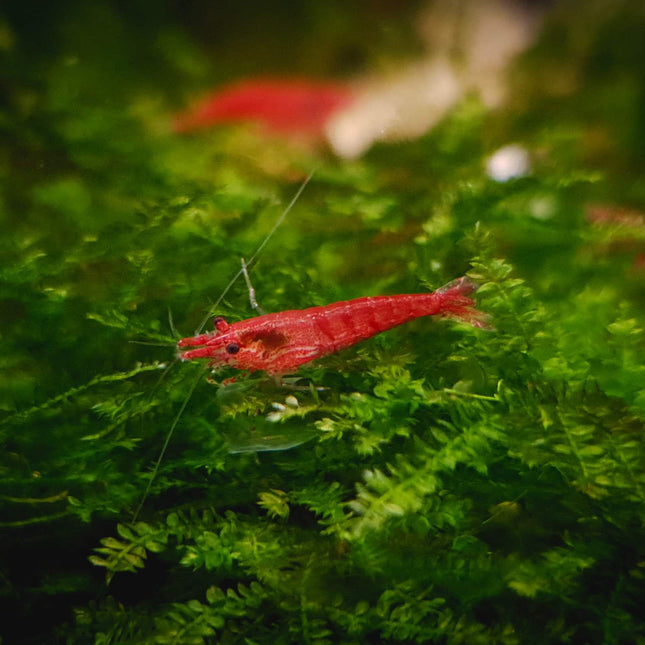
Introducing Cherry Shrimp, the perfect addition to your planted tank. These 1.5cm shrimp come in a pack of 5 and are essential for maintaining a healthy ecosystem. Known for their algae-eating abilities, they keep your tank clean and thriving. Add a touch of color and functionality to your tank with these basic shrimp.
Perfect for home aquariums. Carefully selected and promptly shipped to ensure vibrant color and optimal health.
Guaranteed healthy on arrival!
Care requirements:
Maintain clean tank and equipment.
Fresh, dechlorinated water.
Ensure compatibility with other tank mates.
This Chinese Hi fin loach, measuring 6-8 cm, is an oddball in the aquatic world. With its unique appearance and behavior, it adds a touch of intrigue to any aquarium. Its adventurous nature makes for an entertaining addition to your underwater community.
The chocolate shrimp is a dark brown morph of the neocaridinia sp, Its unique colour makes it stand out in any shrimp or planted tank
Perfect for home aquariums. Carefully selected and promptly shipped to ensure vibrant color and optimal health.
Guaranteed healthy on arrival!
Care requirements:
Maintain clean tank and equipment.
Fresh, dechlorinated water.
Ensure compatibility with other tank mates.
Add timeless greenery and structure to your aquarium with Anubias Barteri, a classic and highly resilient aquatic plant prized for its broad, deep green leaves and slow, steady growth. Grown in a pot for easy planting and stability, this plant is ideal for low-light aquariums and beginner setups. Its tough foliage resists nibbling by fish, making it suitable for community tanks, cichlid tanks, and shrimp aquariums alike. Anubias Barteri thrives when attached to hardscape or placed gently in the substrate, contributing to a clean, natural aquascape with minimal maintenance.
Feature
Details
Plant Type
Live Freshwater Aquarium Plant
Growth Habit
Rhizome Plant, Slow Growing
Light Requirements
Low
CO₂ Requirement
No Added CO₂ Required
Placement
Foreground to Midground
Foliage Color
Deep Green
Care Level
Easy, Beginner-Friendly
Key Benefits
Low Light Tolerant, Hardy Leaves, Minimal Maintenance
Recommended Temperature
68–82°F (20–28°C)
Recommended pH Range
6.0–7.5
Please note that live plants may vary slightly in size and leaf shape due to natural growth conditions. Delivery time is typically 5–7 days depending on availability.
The Climbing Perch (8-12cm), commonly known as ikan puyu in Malaysia, is a robust freshwater species prized for its adaptability and unique respiratory abilities. Native to Southeast Asia, this fish can thrive in varied aquatic conditions and even survive short periods out of water. Its moderate size makes it suitable for aquarists interested in studying resilient fish with distinctive behaviors and ecological significance.
Introduce the Clown barb 5cm x 5pc, adorned with a unique and fancy pattern. These barbs bring a touch of elegance to any aquarium. With a length of 5cm, you can add a school of 5 and create a lively environment. Perfect for experienced aquarists looking to add a stylish touch to their tank.
Perfect for home aquariums. Carefully selected and promptly shipped to ensure vibrant color and optimal health.
Guaranteed healthy on arrival!
Care requirements:
Maintain clean tank and equipment.
Fresh, dechlorinated water.
Ensure compatibility with other tank mates.
Clown fish anemones are hardy, symbiotic hosts that form natural partnerships with clownfish in established aquariums. These specimens thrive in moderate to strong lighting and water flow, anchoring themselves to rockwork or substrate. They expand their tentacles to feed on small particles and benefit from occasional target feeding with specialized anemone food. Ideal water parameters include stable salinity, pH 8.1–8.3, and temperatures of 24–26°C. The 5–10cm size makes them suitable for intermediate aquarists with established reef systems. Provide adequate space to prevent aggression toward neighboring corals, and ensure your clownfish are acclimated before introduction for optimal symbiosis.